Youth as Agents of Change: How World Merit and SIMA Turn Film into SDG Action
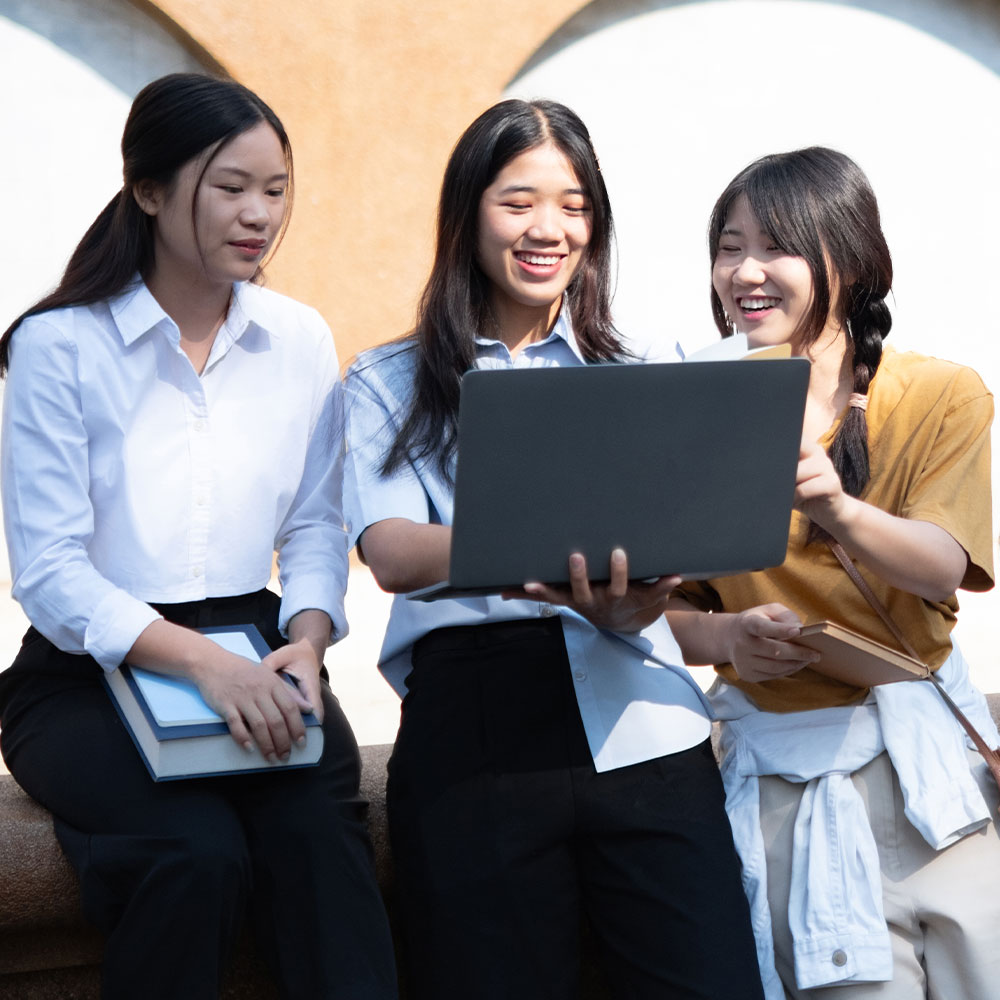
Through a global partnership with SIMA Academy, World Merit empowers young leaders to use documentary film as a catalyst for action on the Sustainable Development Goals, hosting screenings, panels, and campaigns that inspire community engagement worldwide.
From Screen to Action: How One Educator Turned Global Documentaries into Local Impact
An educator in California is transforming SIMA Academy documentaries into a dynamic film club experience that connects global issues to meaningful local action. Through ongoing screenings, thoughtful discussions, and community-centered engagement, students move beyond passive viewing to actively exploring how social impact starts close to home.
The SDG Challenge: Advancing Global Citizenship Education and Professional Development Through The Power Of Film
Through its partnership with UNESCO–APCEIU, SIMA Academy equips educators with tools and training to integrate documentary film into global citizenship education and professional development.
Akhil Konduri: Championing Neurodiversity Through Inclusive Tech Education in Kuwait
2025 SIMA Student Changemaker Award Special Mention, Kuwait-based student and young leader Akhil Konduri created DiversiCode, a student-led global initiative inspired by the SIMA Academy film Vibrations. By reimagining STEM and coding education for neurodiverse learners, DiversiCode advances inclusive learning proving that when technology education is accessible, neurodiversity becomes a powerful source of innovation rather than a limitation.
Empowering Girls Through Storytelling: Syeda Munazza Bukhari Receives Educator Changemaker Award Special Mention
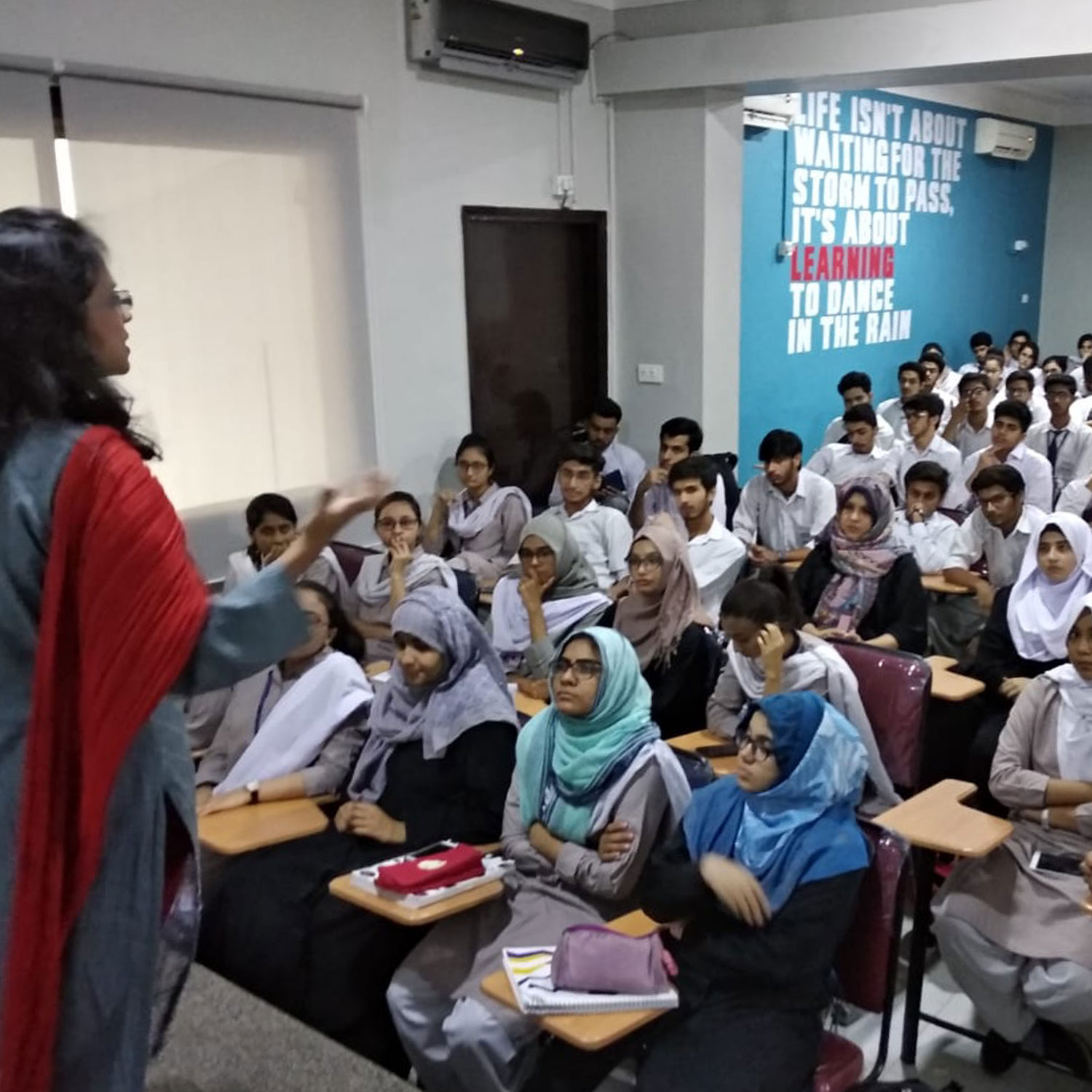
Pakistani educator, Syeda Munazza Bukhari complimented her Dream2Rise Project with the screening of the film First Period: A Film on Green Schools to empower Grade 10 girls and help them connect with the SDGs, build confidence, and take eco-friendly action.
From Tradition to Climate Action: Malaysian Educator Adelyn Chin Wins SIMA Educator Changemaker Award
Malaysian educator Adelyn Chin won the SIMA Educator Changemaker Award for using the film Hope to link Dayak Iban forest stewardship with SDG 13. Inspired by the film, her students in the Papar District turned traditional knowledge into local climate action and community impact.
From Coffee Waste to Community Impact: Gaurjan Sharma Wins 2025 SIMA Student Changemaker Award
Inspired by SIMA Academy films The Happiness Shop and As For Us, India-based student and young leader Gaurjan Sharma created ReBrew, a youth-led initiative transforming discarded coffee grounds into sustainable products while empowering local communities. Through creativity, storytelling, and collective action, ReBrew advances climate action, responsible consumption, and sustainable cities—demonstrating how small, community-driven ideas can spark meaningful global impact.
Films That Inspire: How Andrew Dy Used Storytelling to Inspire Students in The Philippines to create Advocacy Videos
Through transformative film screenings, educator Andrew Dy empowered students in Cebu to connect inner awareness with global challenges—sparking empathy, leadership, and student-led action toward the SDGs.
Compassion in Action: How Tashi and The Monk Transformed a Bhutanese Classroom
An educator in Bhutan used Tashi and The Monk to inspire empathy, emotional well-being, and mindfulness. Students connected the film to SDGs 3 and 10, creating initiatives that fostered compassion, peer support, and a more caring school culture.
Films Spark Sustainability, Dignity, and Community Action in Odisha Schools
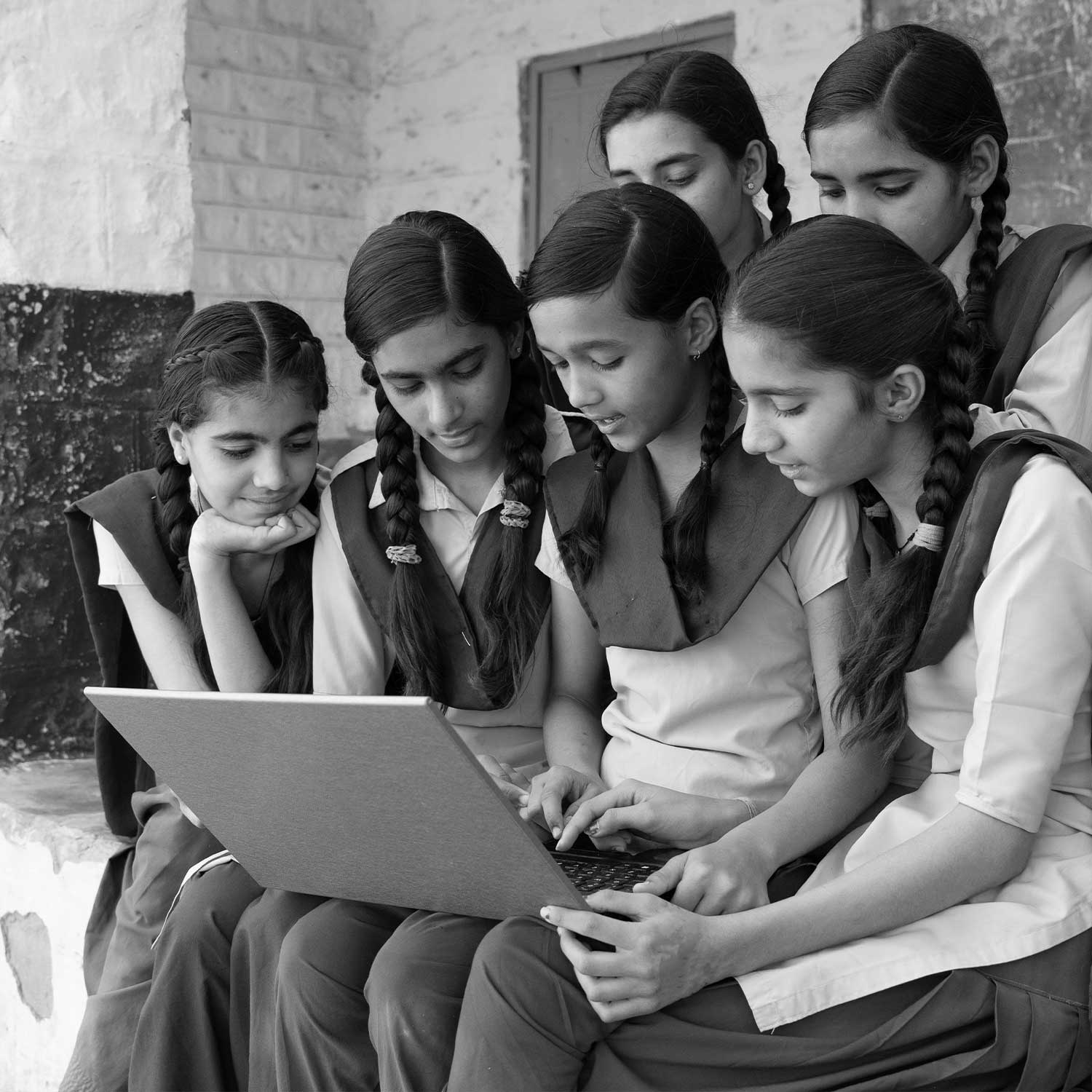
Students in Odisha, India, get inspired after the screenings of Dignity With Flowers and First Period to link real-world issues with the SDGs, leading to creative community projects, deeper critical thinking, and a transformative understanding of sustainability and dignity.
SIMA Academy exists to empower the next generation of changemakers by harnessing the power of film to foster leadership, critical thinking, global citizenship, and civic engagement. One standout example is Emilio, who took the initiative to create a SIMA Impact Film Screening Club at his school in Aiglon College in Switzerland. Through his leadership, Emi has brought peers together to explore global issues, engage in meaningful dialogue, and experience the transformative power of documentary storytelling.
Rajvi Trivedi: Educator leading Youth to Tackle SDGs Through Creativity and Dialogue
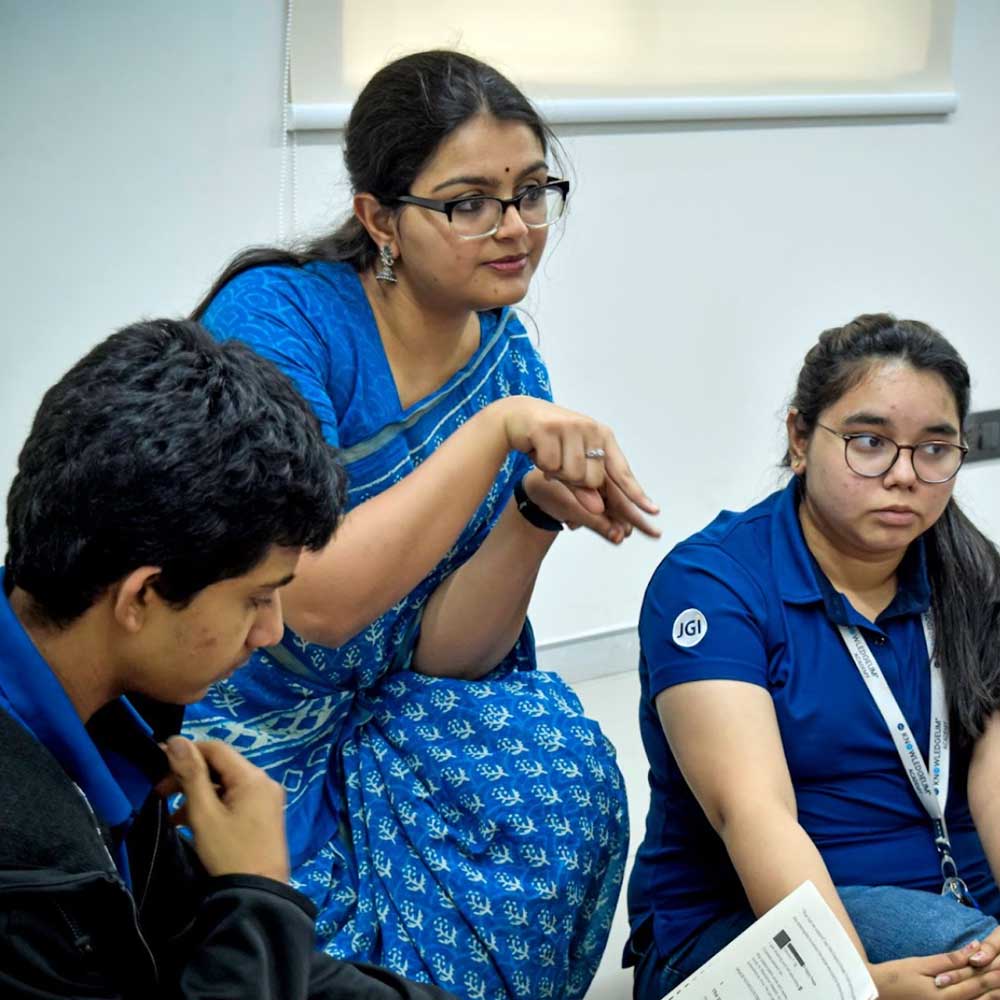
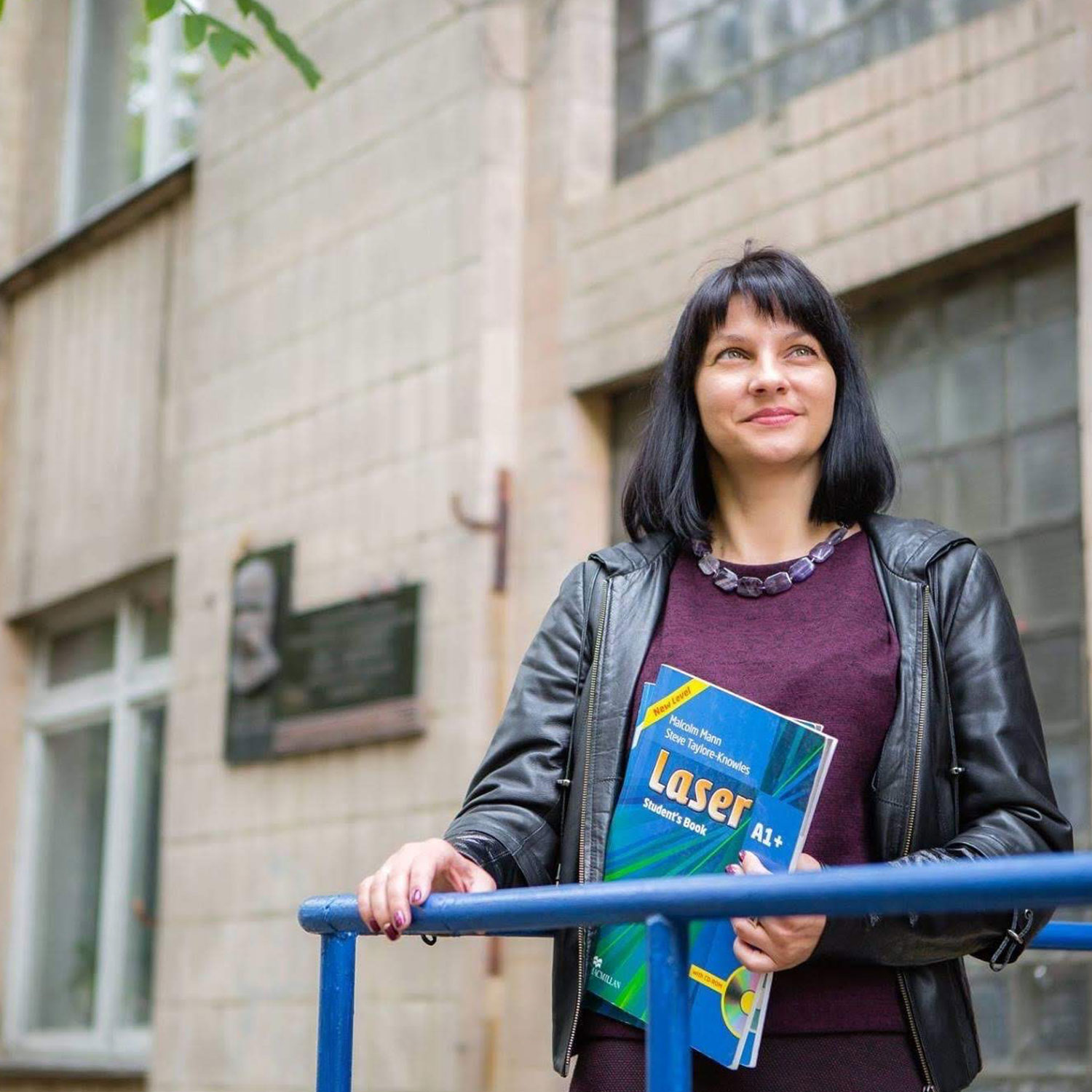
Rajvi Trivedi, an educator in Bangalore, used SIMA documentaries to spark student-led projects on sustainable consumption, gender equality, and quality education. Through film, art, dance, and literature, students connected learning with real-world impact.
Akriti Srivastava: Student Champions Food Awareness with Podcast and Film in India
Akriti Srivastava, a student at Lancers International School, India, screened From Gangs to Gardens and created a podcast on food adulteration for the SIMA Student Changemaker Award, promoting SDG 3, healthy eating habits, and label literacy among peers.
Antonella Regueiro Sparks Student Action on Poverty and Sustainability Through SIMA Film Series at Lynn University
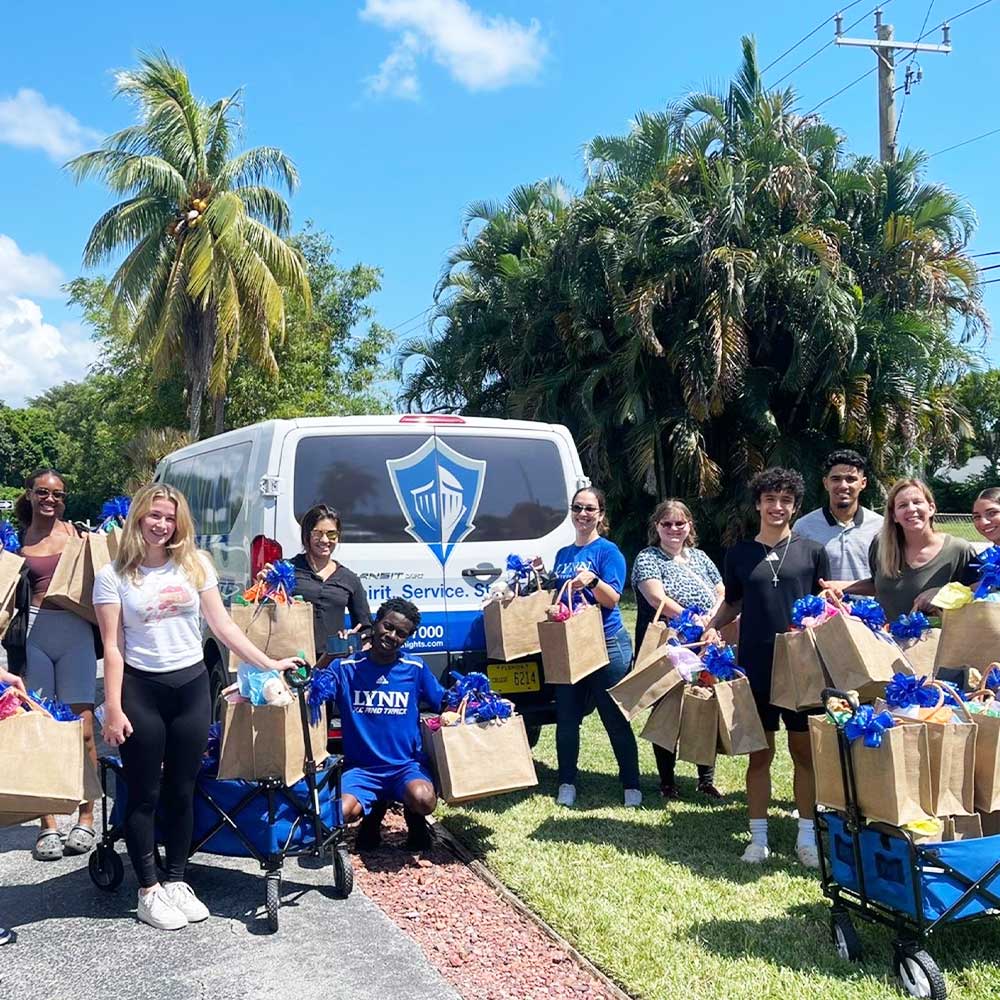
Antonella Regueiro’s Impact Series at Lynn University engaged students with global issues like poverty and sustainability, inspiring social impact, responsible fashion choices, and dialogue through SIMA films.
Saeed Muhammad Lawan Sparks Climate Action in Nigeria with Tree-Planting and Youth Engagement
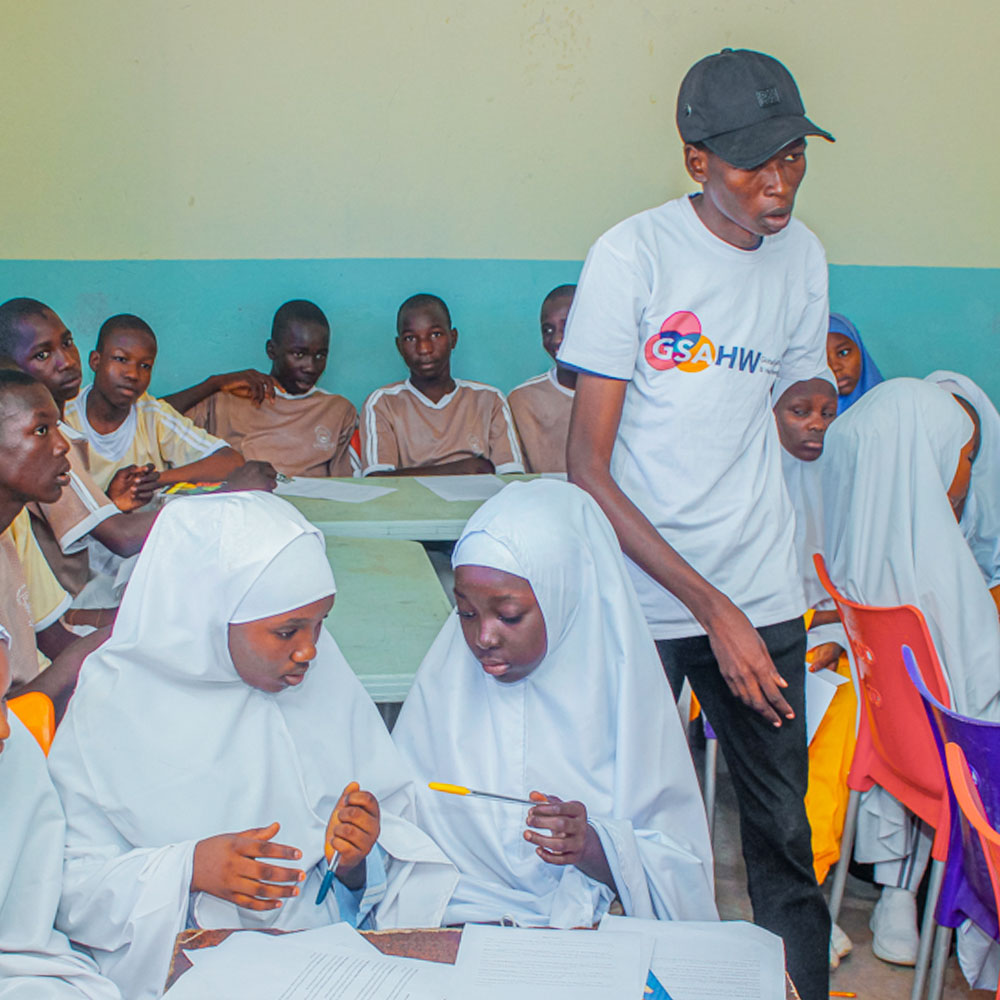
Student, Saeed Muhammad Lawan inspired climate action in Nigeria with his project “Growing Together: Trees and Dreams.” Through poetry, education, and community engagement, he empowered youth and led the planting of over 200 trees.
Jingyuan Fu inspires University of Hong Kong Students to Lead Gender Equality Campaign
Educator Jingyuan Fu inspired students at the University of Hong Kong to take action on gender equality and domestic violence through the film Don’t Cover It Up, Step Up. Their campaign, “Girls Re:generate,” sparked dialogue and civic engagement on and off campus.
Singing Rural Stories: A Music Video Celebrating Equity and Sustainability
Inspired by the film Farmers Footprint, a team of educators at Radically Rural created a music video, celebrating rural innovation, sustainability, and diversity while also showcasing different cultures, industries, and the lived realities of rural communities.
From Screenings to Solutions: Student Action in Sri Lanka Sparks Campaigns to Recycle, Plant Trees and Support Women’s Entrepreneurship
Educator Udeshika Kudachchi used SIMA films to teach the SDGs, inspiring students in Sri Lanka to launch “Pens for a Greener Future,” recycling 10,000 pens, staging eco-dramas, planting trees, and supporting women’s entrepreneurship in their community.
Empowering Learning: Pratibha Dhal’s Students Produce Audio Resources for the Blind
Educator Pratibha Dhal inspired her 11th graders through SIMA films to organize a sustainable fashion show and to create audiobooks for blind aspiring teachers. These projects combined creativity and empathy to create real-world impact.
Nantume Masturah: High Schooler in Uganda Drives Change for Girls’ Education and Health
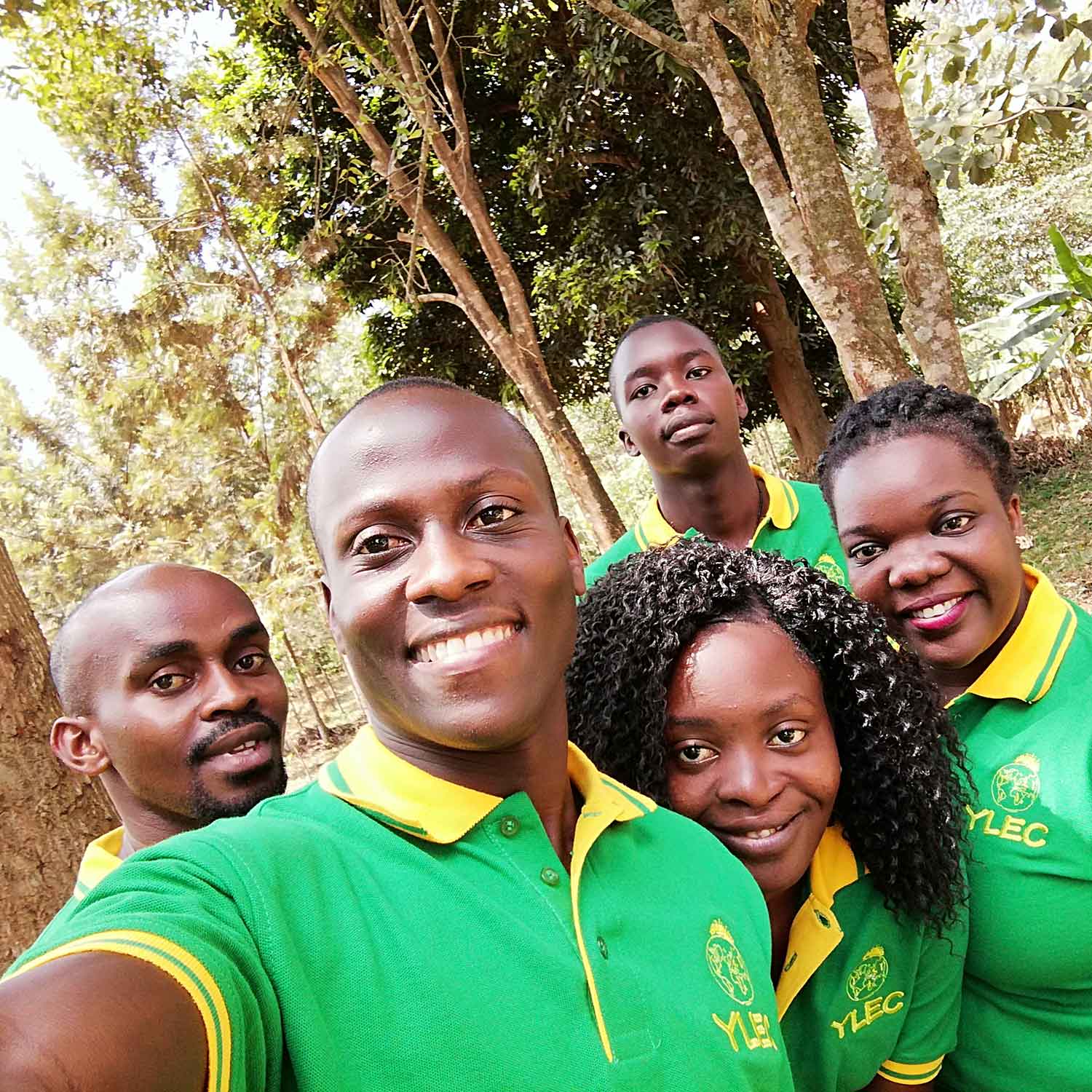
Nantume Masturah, a SIMA inspired high school student in Kampala, launched a fundraiser and petition to fight period poverty, raise awareness, and empower girls through education, skills, and support.
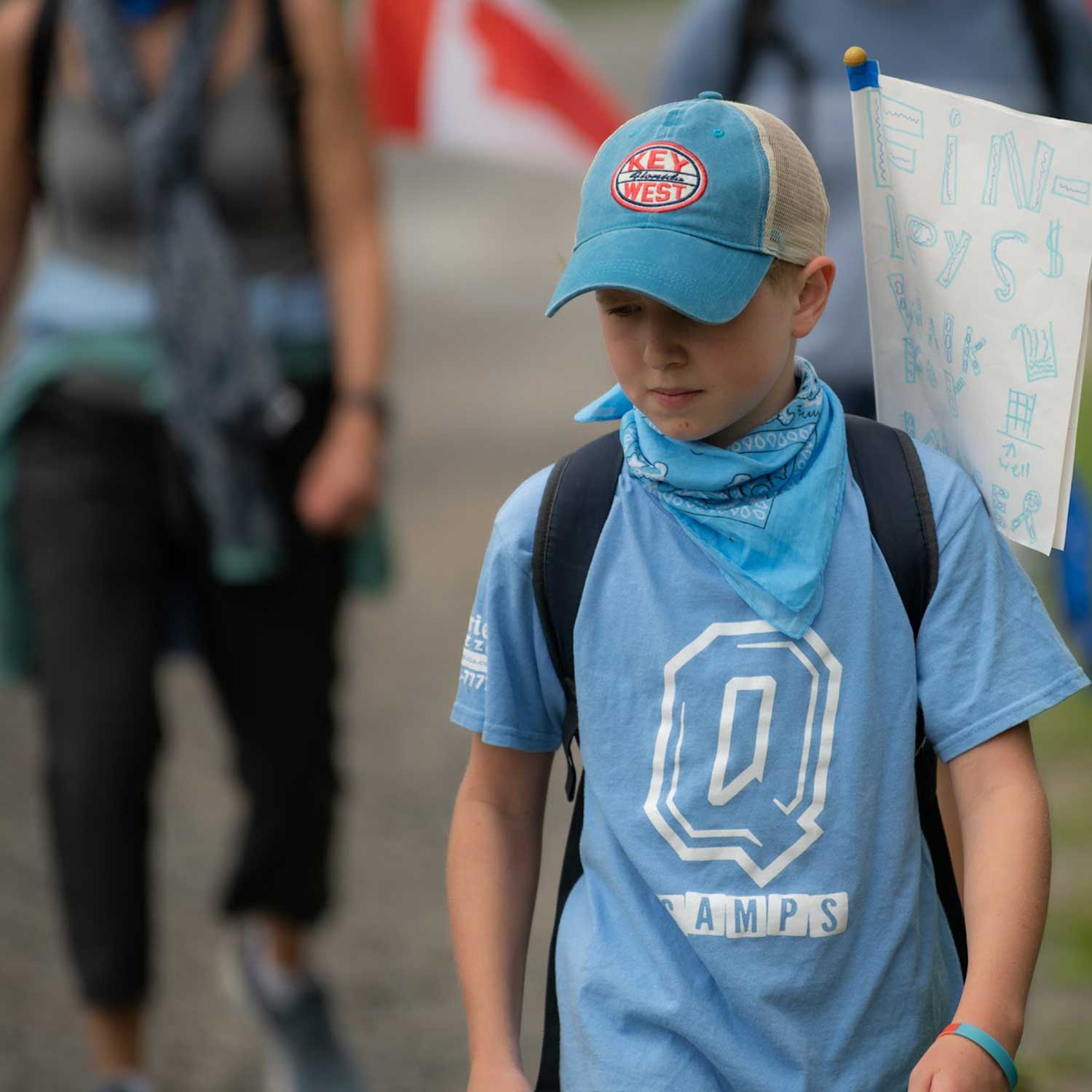
Water Is Life: Middle School Student, Finley Johnston, Launches International Campaign for Ugandan Village
Inspired by the SIMA film Water Is Life, Finley Johnston, a middle schooler in Germany, launched “The FN&N Project” to help bring clean water to Kiswa Village, Uganda by raising funds, uniting youth leaders, and helping build a well for 800+ households.
Teaching Global Citizenship Through Film: A Nigerian Educator’s Impactful Approach
Twamsen Danaan, a filmmaker and educator in Nigeria, used SIMA Academy films to teach SDGs. Films like Kayayo sparked empathy, inspired action, and helped students connect global issues to their own local experiences.
Teaching Peace Through Film: Hiroshima Students launch letter-writing campaign and Take Action for Refugees
Tiffany Key, an educator in Hiroshima, Japan, used the film Fledgling to teach SDG 16: Peace and Justice. The story inspired her young students to keep learning English and to start a letter writing campaign to support refugees.
From Screen to Shore: Students in the Philippines Tackle Climate Issues After Watching SIMA Films
Ranielle Navarro, an educator in the Philippines, used SIMA films to teach SDGs on climate, consumption, and conservation. She inspired her students to become environmental stewards through the use of vlogs, posters, and photo essays - resulting in the planning of beach cleanups and coral planting efforts.
Film as a Tool for Change: Educator, Rajvi Trivedi, Teaches Critical Media Literacy and the SDGs in Bengaluru
Rajvi Trivedi, an educator in Bengaluru, India, used SIMA films to explore SDGs related to education, gender, climate, and consumption, provoking critical thinking and emotional reflection on real-world issues, media consumption, and representation.
SIMA Films Inspire Student Advocacy on Climate Action and Quality Education in Sri Lanka
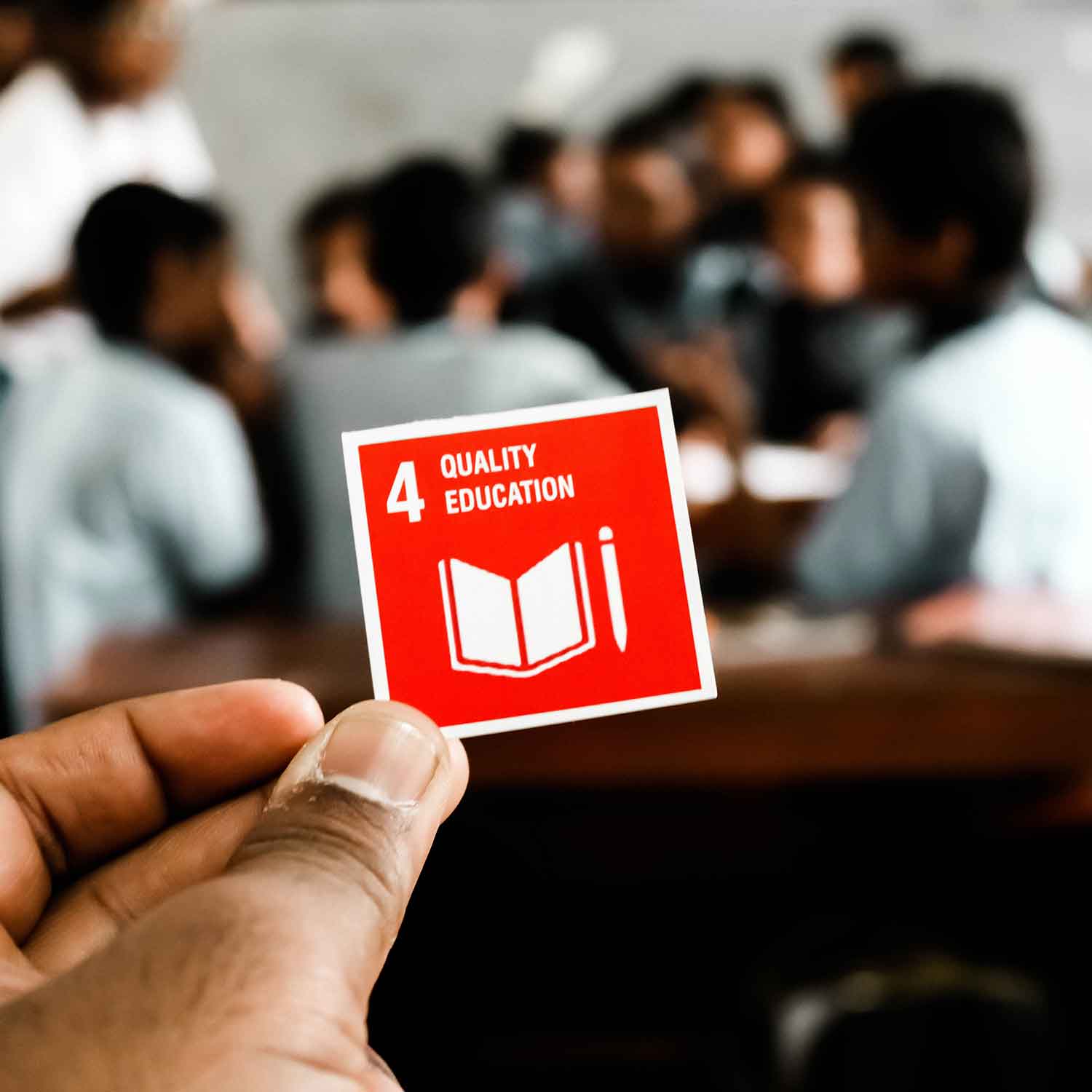
Oshan Gunathilake, a youth educator in Sri Lanka, used SIMA films to engage students with SDG 4 and 13. The screenings sparked emotional, critical discussions on climate and education, leading to youth-led dialogues, advocacy, and strengthened civic awareness.
Novaira Khan Uses Film to Promote SDG 13 and Sustainability in Pakistan
Novaira Khan, a student in Karachi, Pakistan, screened What Would It Look Like? to raise awareness about Climate Action. The event sparked discussions related to sustainability, energy, and diversity, increasing the audience’s understanding and knowledge of climate issues.
Bridging Cultures Through Film: A Canadian-Japanese Classroom Exchange
Canadian Janice Sestan and Japanese Rachelle Meilleur, both educators, collaborated to virtually connect their students through film- encouraging them to exchange their perspectives and share cultural insights.
Iffany Zou Launches Podcast to Tackle Food Waste in Schools
Inspired by A Thousand Suns, Chinese student Iffany Zou launched a podcast to raise awareness about food sustainability and food waste within her school community.
Hanna Dudich and her Students launch Advocacy Campaign for Animals in Ukraine
Ukrainian educator Hanna Dudich used SIMA films and lesson plans to inspire her students to tell stories in new ways—creating an immersive video from a dog’s perspective to advocate for local animal shelters.
Novaira Khan Sparks Climate Conversation with Local Film Screening
Pakistani student Novaira Khan organized a local screening to show What Would It Look Like? and to raise awareness about climate change and sustainable development within her community.
Isaac Sserwanga Leads Community Talk on Renewable Energy and Politics
Ugandan student, Isaac Sserwanga encouraged dialogue within his community to promote clean and renewable energy relating the content of the film Women of Fukushima to their political context.
Maroua Ameziane Mobilizes Global Partnerships and Teamwork in Her Community
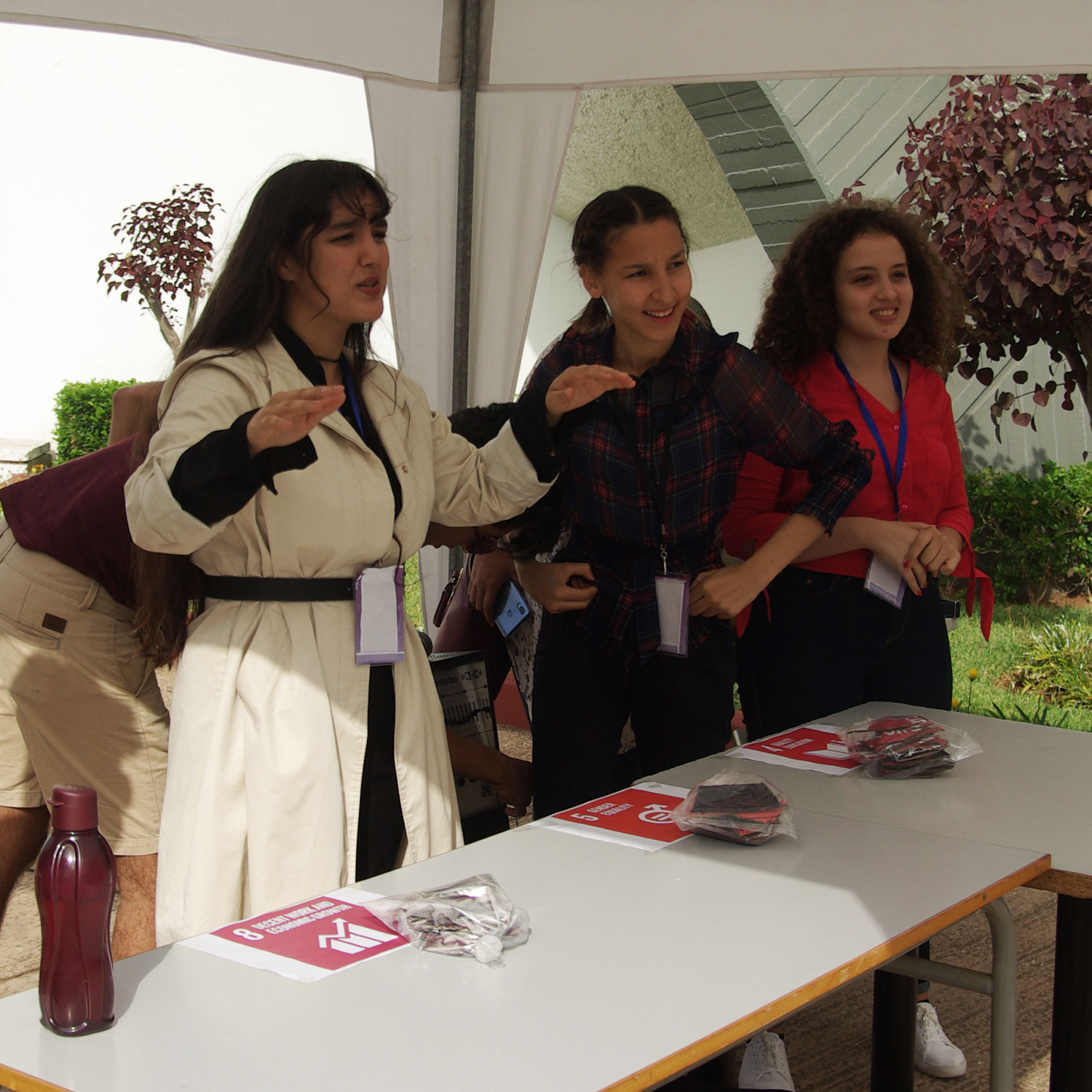
Maroua Ameziane, a Moroccan changemaker, screened the film 16/6 to promote global partnerships. She looked to foster solidarity and encourage her community to embrace teamwork and collaboration for a stronger collective impact.
Bukola Olalere Uses Film to Fight Leprosy Stigma in Nigeria
Bukola Olalere, Nigerian Ambassador for World Merit, screened Juanita to an audience living with leprosy to inspire hope, courage, and promote the fight against stigma and discrimination surrounding their condition.
Ayokunmi Ogunnaiya Sparks Dialogue on Poverty in Nigeria
Ayokunmi Ogunnaiya, an educator in Nigeria, screened Kayayo: The Living Shopping Baskets to raise awareness about poverty and promote critical thinking and a solutions-based approach among her audience.
Burundi Student Sparks Change Through Film, Launches Club to Fight Poverty and School Attrition
Léonidas Nzigamasabo, a student from Burundi, screened Kayayo to spark dialogue on poverty eradication, leading to the creation of the Entrepreneurial Club at the university to support young students and help prevent school attrition.
Brazilian Changemaker Raises Awareness on Violence Against Women Through Film Screening
Brena Lacerda, a changemaker from Brazil, screened At Home, In Bed, and in the Streets to raise awareness on sexual abuse and exploitation, helping contextualize and prevent violence against women.
Chaste Inegbedion Uses Film to Spark Dialogue on Poverty and Gender Violence in Prison Screening
Chaste Inegbedion screened Kayayo, The Living Shopping Baskets at the Kirikiri Female Prison to raise awareness about poverty and gender violence, helping the audience connect the film’s message with real-life challenges and the need for change.
Ocean-Themed Film Screening in Liverpool Sparks Sustainable Local Partnerships
Carlo Steensma screened Voices from the Sea to highlight the impact of overfishing and plastic pollution. The Liverpool event inspired new partnerships between the City Centre and sustainable local venues to host future eco-focused screenings.
Global Ambassador Sparks SDG Dialogue and Partnerships with UNDP Through Film Screening
World Merit’s Global Ambassador, Ms. Shaan, screened Big Damage to spark solution-oriented discussions at UNDP related to different SDGs and to gender roles in leadership. Conversation fostered inter-institutional partnerships and collaboration between the World Merit and Youth Co:Lab members.
Malawian Educator Empowers Youth to Lead Climate Action Through Film Screening
McCarthy Samalani, educator and President of World Merit Malawi, screened What Would It Look Like? to raise awareness on climate change and inspire youth to take action as environmental leaders, especially in the face of Malawi’s climate crisis.
Student Uses Film to Expose Modern Slavery and Promote Decent Work in Bangladesh
Bangladeshi student Maruf Hossain screened Nobody Dies Here to raise awareness among peers about modern slavery, child labour, and human trafficking, encouraging them to value decent work and recognize when they or others may be at risk.
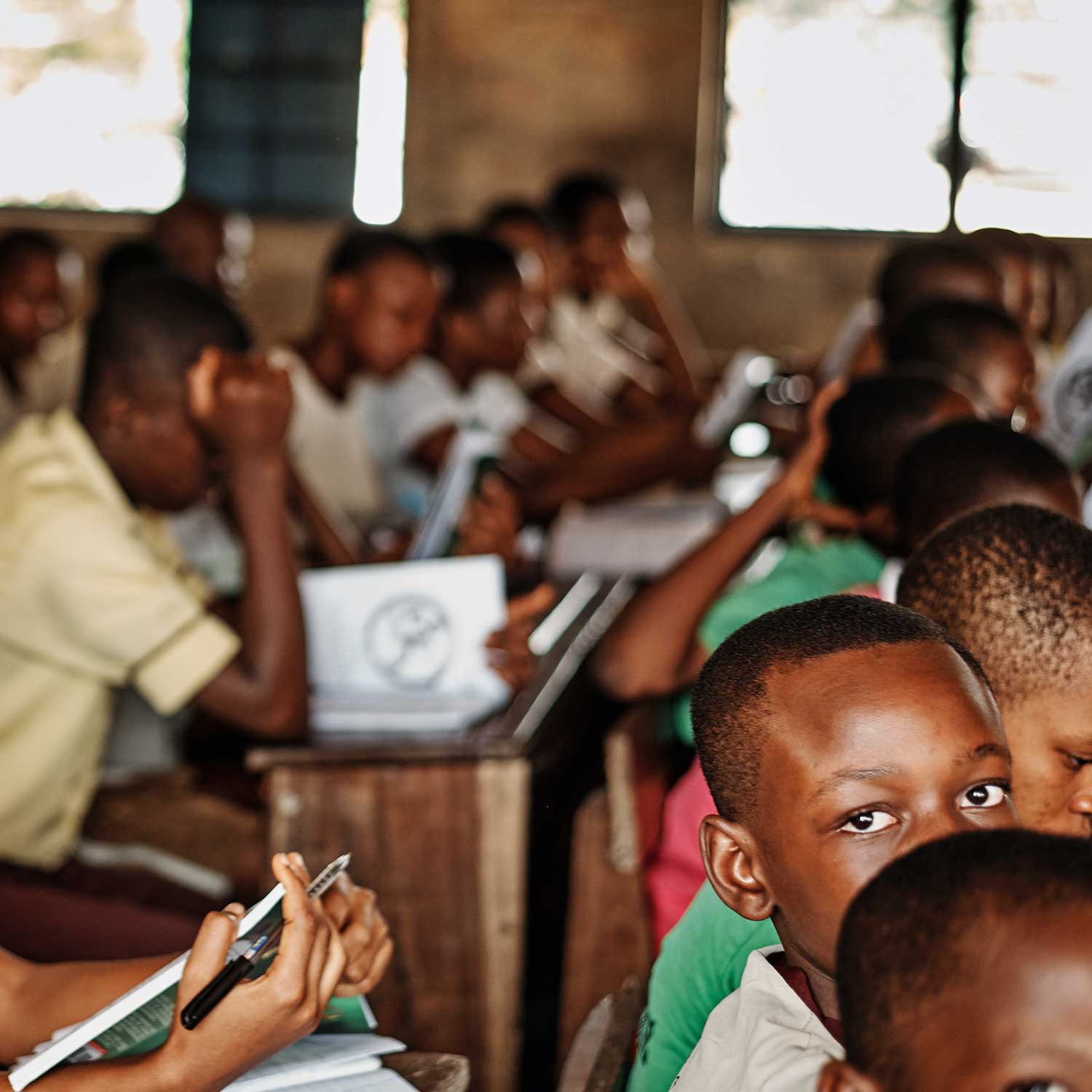
Ghanaian Educator Uses Film to Teach Students About Child Labor and the Value of Education
Joseph Whadji, educator in Ghana, screened Kayayo to help elementary students understand the harsh realities of child labor in their own country, and reflect on the risks girls face and the value of education and family support.